
Tour Overview
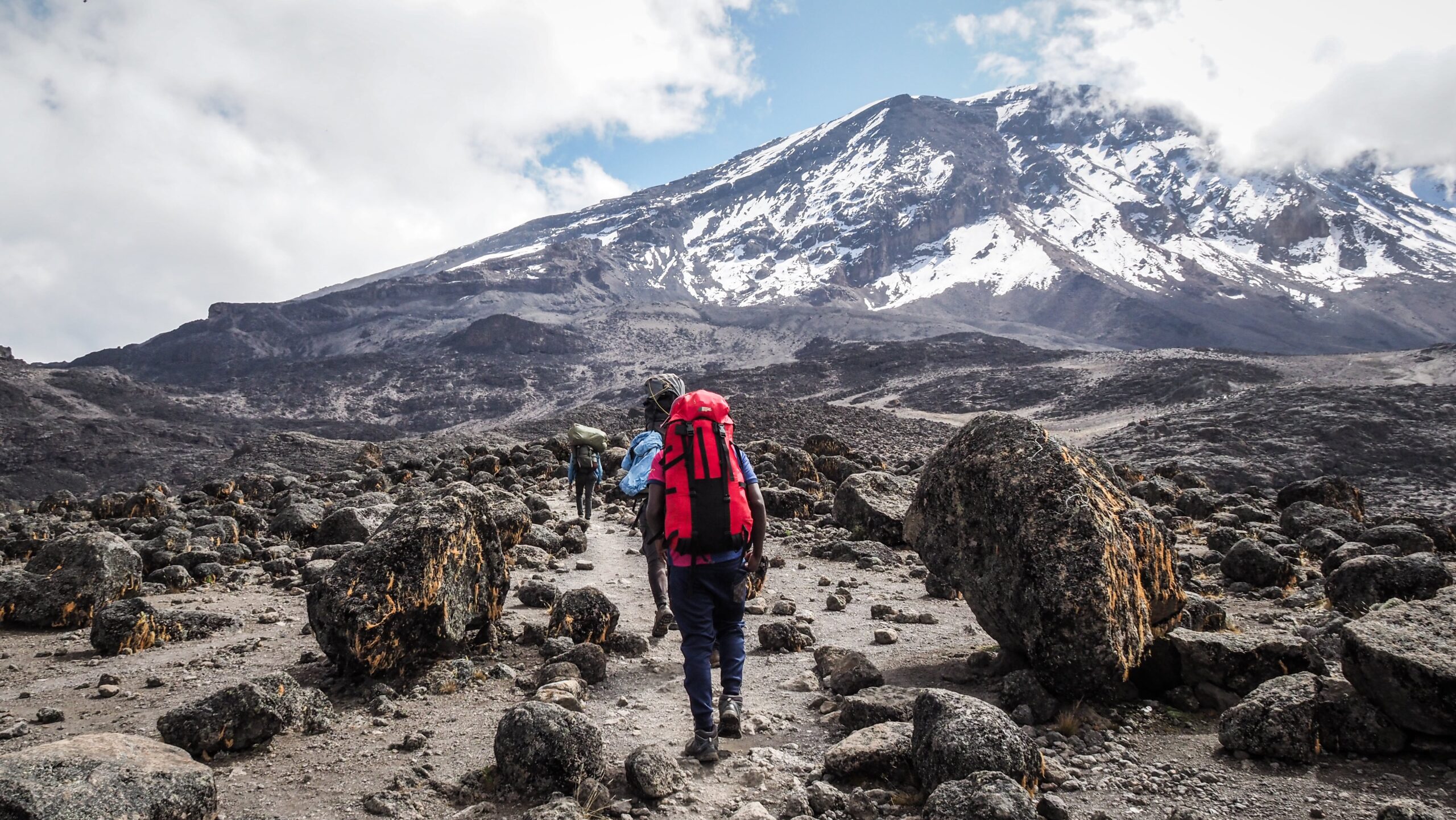
The 8 Days Lemosho Route is widely considered the best route on Mount Kilimanjaro for acclimatization, scenery, and overall summit success. With an extra day compared to the 7-day option, this itinerary allows the body more time to adapt to altitude, significantly reducing the risk of altitude sickness and improving the chance of reaching Uhuru Peak (5,895 m).
Beginning on the remote western side of the mountain, the route passes through pristine rainforest, wide moorlands, the expansive Shira Plateau, the dramatic Barranco Valley, and alpine desert terrain before the final summit push. The climb finishes at Mweka Gate, following the standard descent route. This itinerary is ideal for trekkers who prioritize safety, comfort, and a relaxed climbing pace.
Tour Highlights
Highest acclimatization advantage
Extra day improves altitude adaptation and comfort.
Remote and quiet start
Less crowded trails during the first days of the climb.
Outstanding scenery
One of the most visually rewarding routes on Kilimanjaro.
Excellent summit success rate
Often recommended for first-time Kilimanjaro climbers.
Day-by-Day Itinerary
Day 1: Moshi – Lemosho Gate (2,100 m) – Mti Mkubwa Camp (2,650 m)
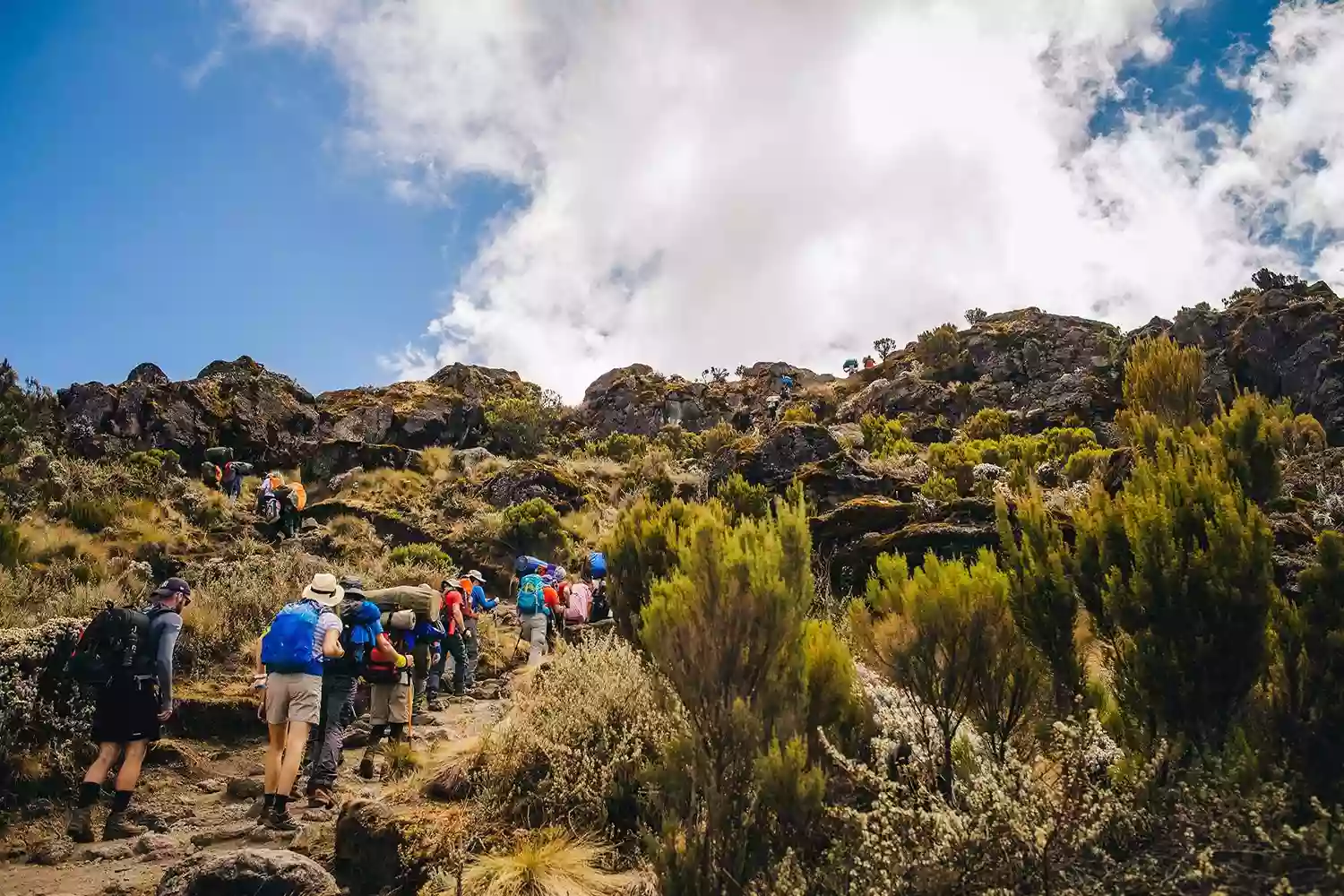
After breakfast in Moshi, drive to Lemosho Gate for registration. Begin trekking through dense, untouched rainforest rich in wildlife and birdlife. The trail is gentle, allowing for a relaxed introduction to the climb. Overnight at Mti Mkubwa Camp.
Highlight
Quiet rainforest trekking and gradual altitude gain.
Hiking time: 3–4 hours.
Day 2: Mti Mkubwa Camp (2,650 m) – Shira 1 Camp (3,500 m)
Climb out of the forest into the moorland zone where vegetation becomes sparse and views expand. Trek across rolling terrain toward the Shira Plateau, reaching Shira 1 Camp in the afternoon.
Highlight
First clear views of Kibo Peak and wide open landscapes.
Hiking time: 5–6 hours.
Day 3: Shira 1 Camp (3,500 m) – Shira 2 Camp (3,850 m)
A short and gentle acclimatization day crossing the Shira Plateau. The route offers panoramic views of Mount Meru and the Western Breach. Arrival at Shira 2 Camp is early, leaving time to rest and hydrate.
Highlight
Acclimatization walk with minimal elevation stress.
Hiking time: 3–4 hours.
Day 4: Shira 2 Camp (3,850 m) – Lava Tower (4,630 m) – Barranco Camp (3,960 m)
One of the most important acclimatization days of the trek. Ascend steadily to Lava Tower for lunch at high altitude, then descend into the scenic Barranco Valley where you will spend the night.
Highlight
“Climb high, sleep low” strategy and dramatic valley scenery.
Hiking time: 6–8 hours.
Day 5: Barranco Camp (3,960 m) – Karanga Camp (4,035 m)
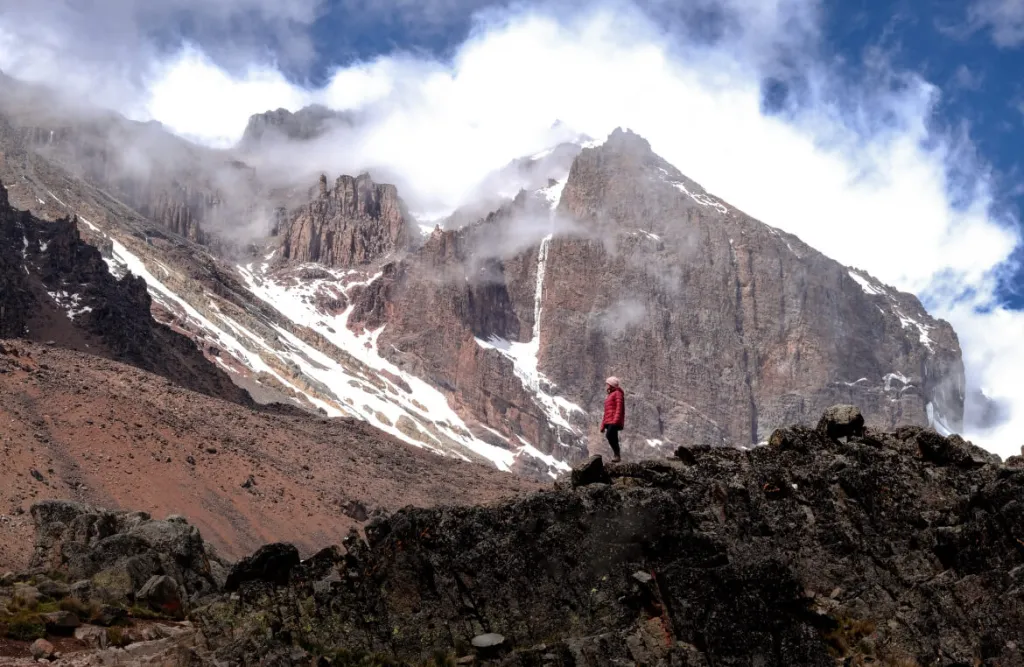
Start with the climb up the famous Barranco Wall, a hands-on but non-technical scramble. Continue across undulating terrain to Karanga Camp. This is a shorter day designed to aid acclimatization and recovery.
Highlight
Barranco Wall challenge and glacier viewpoints.
Hiking time: 4–5 hours.
Day 6: Acclimatization Day at Karanga Camp (4,035 m)
This extra day is the key difference between the 7-day and 8-day Lemosho routes. Short acclimatization hikes are done around Karanga, allowing the body to adjust while conserving energy. The afternoon is for rest and summit preparation.
Highlight
Improved acclimatization and reduced summit fatigue.
Day 7: Karanga Camp (4,035 m) – Barafu Camp (4,640 m)
Ascend gradually to Barafu Camp, the final base camp before the summit attempt. Enjoy early dinner and rest as you prepare for the midnight climb to Uhuru Peak.
Highlight
Final summit preparations at high altitude.
Hiking time: 3–4 hours.
Day 8: Barafu Camp (4,640 m) – Uhuru Peak (5,895 m) – Mweka Camp (3,100 m) – Mweka Gate
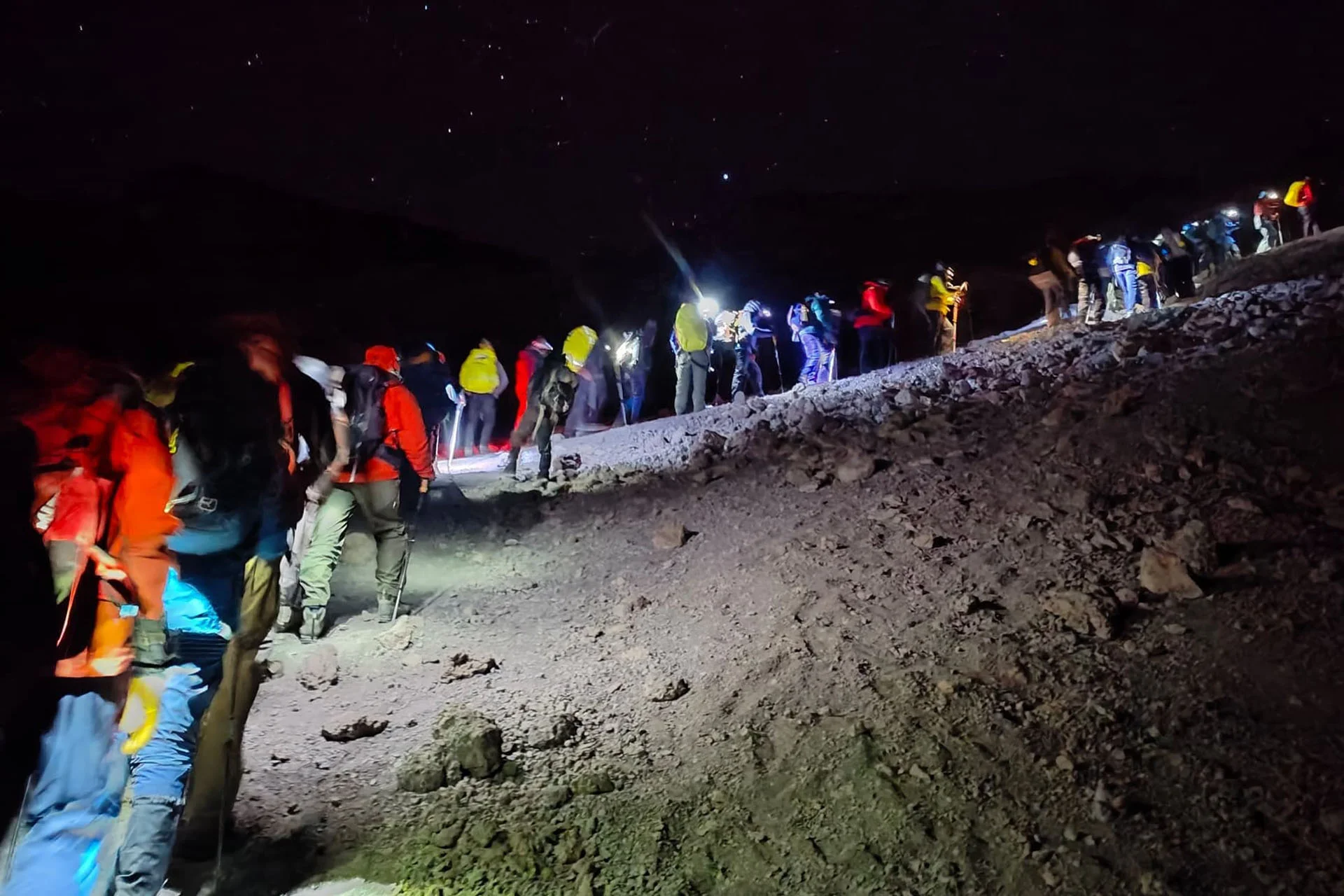
Begin the summit push around midnight, climbing steadily to Stella Point and continuing along the crater rim to Uhuru Peak, the highest point in Africa. After photos and celebration, descend to Barafu for a short rest, then continue down to Mweka Camp. The next morning, descend through rainforest to Mweka Gate, where the climb officially ends.
Highlight
Summit success at Uhuru Peak and descent through changing landscapes.
Total time: 10–14 hours.
Best Time to Climb
Recommended seasons
- January–March: Warm temperatures and clear skies
- June–October: Dry season with high summit success
Why Choose the 8 Days Lemosho Route
Best acclimatization
Extra day greatly reduces altitude-related risks.
Highest success rate
One of the safest and most successful Kilimanjaro routes.
Relaxed climbing pace
More time to rest, recover, and enjoy the journey.
8 Days Lemosho
The 8 Days Lemosho Route is widely considered the best route on Mount Kilimanjaro for acclimatization, scenery, and overall summit success. With an extra day compared to the 7-day option, this itinerary allows the body more time to adapt to altitude, significantly reducing the risk of altitude sickness and improving the chance of reaching Uhuru Peak (5,895 m).